
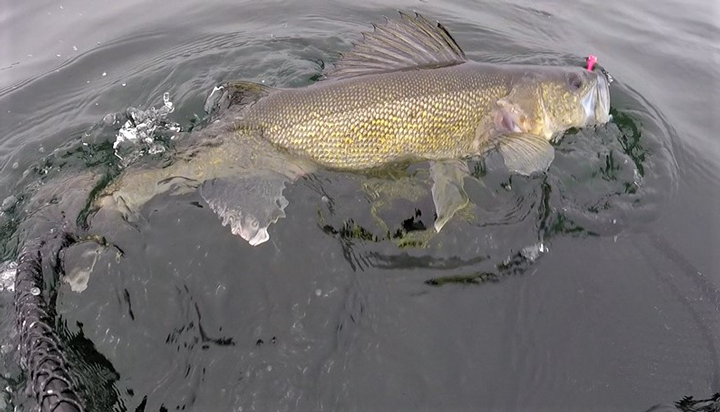
 Between seasons, I’ve enjoyed a little time off from the computer, but yesterday, I was playing catch up on the internet and swerved into a topic that’s timely, and worth your time. The topic is catch and release fishing, and the specific subject, how to minimize damage when removing fishhooks, may well be one of the least talked about subjects on these pages.
Conservation minded anglers everywhere agree, releasing some portion of the fish they catch is a good idea. But have you ever watched some of them try to do it? It can be painful, tugging, ripping, yanking, dropping the fish, and so on. I have often been concerned that many fish die, despite an angler’s best efforts to release them.
 The solution, in many cases, is educating anglers about how to handle and release fish safely. Sometimes though, it’s the tools we use that are to blame, anglers who know the right way to release fish, but fail because the tools they use to remove fishhooks are not well designed for the job. It happened to me more than once, when a pliers or clamp I use to get a hold of a hook will not hold the hook securely.
Many of the tools we see offered for sale were never designed to do a good job in the first place. The hemostats in the cup on the bait store counter look good, and so do most of the needle nose pliers or other hook removal tools most stores sell for releasing fish. Sure, some are better than others, and much of the time, many of them work “okay”. The problem is the times when we need them most is when they fail.
Delicate operations require effective tools and anglers who intend to safely release fish NEED a good quality tool called a needle holder, sometimes also called needle drivers. They needle drivers are designed to give doctors, dentists, and veterinarians the secure grip they need for applying stitches after a surgery, accident, or the like. As it happens, these tools also offer anglers a better grip on fishhooks, affording us better control over removal and reducing the odds of damaging the fish we catch.
I’ve seen them in use by some of the doctors and dentists I’ve fished with, and they’ve always impressed me. Previously, my impression was that getting a good needle driver would be an expensive proposition and to grab a top shelf item may well be. But I was amazed when my research turned up numerous models and sizes, offered by a variety of vendors, at prices below $20. In fact, the total bill for all 3 of these needle drivers I bought this week added up to a grand total of $51.00, far less than the cost of a tank of gas in my truck.
If it makes your decision easier, here is a list, and links to images of the 3 models that I purchased this week. You may find others that interest you and if you do, please share the info. Notice that I didn't provide links to the retailers where I purchased mine. Just to be clear, I do not have a “sponsor” or advertiser that sells needle holders. Nor do I have any relationship with a retailer, bait store or supply house that sells them. So, I don’t care which one you buy, or where you but it; I only care that you’ll humor me and give one a try. If you search the internet, you will find these available at numerous retailers, choose the one(s) you like best.
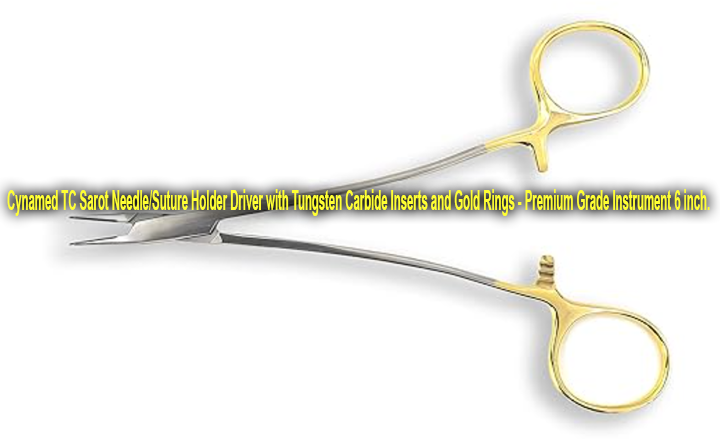
- Cynamed TC Sarot Needle/Suture Holder Driver with Tungsten Carbide Inserts and Gold Rings - Premium Grade Instrument 6 inch.
- VR Instrument Supply German Tungsten Carbide Inserts Heaney T/C Needle Holder Curved Driver Serrated Veterinary Surgical Tools 8 inch.
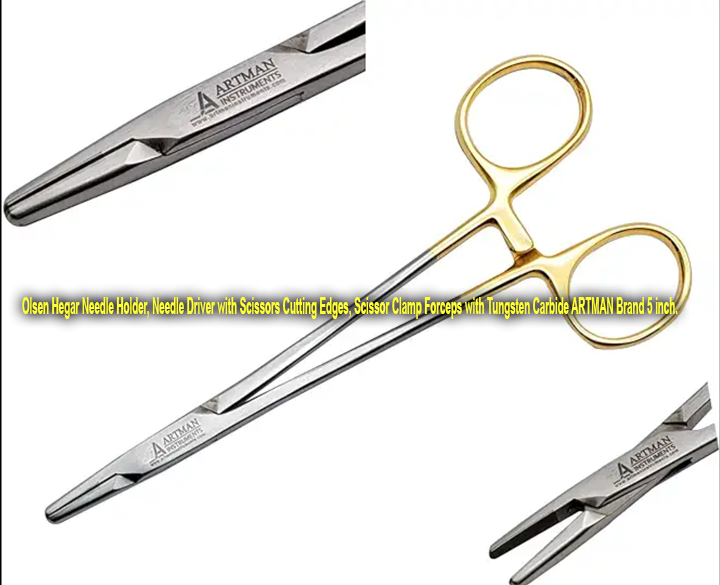
- Olsen Hegar Needle Holder, Needle Driver with Scissors Cutting Edges, Scissor Clamp Forceps with Tungsten Carbide ARTMAN Brand 5 inch.
 UPDATE Catch and Release Tools Review
December 15, 2025
UPDATE Catch and Release Tools Review
December 15, 2025
I bought the first tools, a 6 inch straight and an 8 inch curved model because I wanted to have both 6 inch, and an 8-inch sizes. For me, the 8 inch curved model turned out to be the most effective tool for removing hooks from walleye and northern pike. This one, the >> 8 inch, curved model is the one I would suggest for walleye anglers overall.
The 5 inch size, straight jawed tool piqued my interest because it also offers built-in scissors. The scissors in that tool has come in very handy at times, but for removing hooks from sunfish and perch, I'd prefer a curved jaw instead of the striaght one. So, for this winter, I plan to add a smaller, 5 inch curved jaw tool to my aresenal.
Be sure to let us know your thoughts about these tool, and offer suggestions for ones that you've had great experiences with too.  — Jeff Sundin, The Early Bird Fishing Guide Office Cell Call or Text 218-245-9858 or Email on Facebook on X
Jeff Sundin is a full time fishing guide, outdoor writer, photographer and developer of custom web content. Sundin currently serves as a volunteer on MN DNR Panfish Workgroup and MN DNR Technology Workroup. Both are citizen advisory committees to the Minnesota Department of Natural Resources. Learn about guided fishing trips and more, click here "About Jeff Sundin".
The Fishrapper, Fishing Blue Books, LLC • 715 Byington Ave • La Prairie, MN 55744 • 218-245-9858
copyright©2025 Fishing Blue Books, LLC All Rights Reserved - last revised 12/15/2025